

The Glitch Witch, Art Producer

Cards of Heart, Narrative Lead

Pack, Lead Producer

Bloompunk, Concept Artist and Narrative Designer

Boil Over, Co-Creator

Equinox, Concept Artist


Additional Credits
Echoes, Concept Artist
Contributed concept art and final design for Beira, the protagonist of the game
Collected and organized reference images and research notes for the art bible
Check it Out!, 3D Modeler
Modeled and textured various grocery store items in Autodesk Maya, including broken/unbroken variations
Contributed character and story concepts during design meetings

The Masquerade of Weepers

The Red Witch from Iconoclasts


About
Jordan Hanes is concept artist and art producer for interactive media. He graduated Magna Cum Laude from the University of Southern California in 2025 with a Bachelor’s in Interactive Entertainment and a minor in Game Animation.As a passionate supporter of game art, Jordan specializes in bridging art teams together, fostering a spirit of collaboration to deliver bespoke visuals for 2D and 3D experiences. Whether face to face or remote, he leads to compassion, perseverance, and creativity.Some of his favorite games include Final Fantasy XIV, The Legend of Zelda: Skyward Sword, Hollow Knight: Silksong, and Blue Prince. When he’s not working on a game, you can find him writing about them, sketching in his sketchbook, or sneaking a Jennifer Coolidge impression into whatever tabletop game he’s running.
Bloompunk
Designed steampunk and plant-inspired enemies, storyboards, and in-game illustrations for a roguelite FPS
Bloompunk is a roguelite, first-person shooter set in a world where flora dominates. At least it did, until a horrific mechanical virus corrupted your fellow ferns and flowers. Armed with an evolving gun for a hand, overcome the corrupted denizens of your once verdant home and take down the technological disease that infects them in this fast-paced, action-packed shooter.Platforms: PC
Engine: Unity
Responsibilities
As Concept Artist
Designed two enemies, overseeing development from initial thumbnails to detailed orthographic turnarounds
Conducted thorough research and reference collection for all concept artists
Developed and led pipeline for in-game “memory” illustrations used during cutscenes
Storyboarded all 19 “memory” illustrations in Adobe Photoshop, providing further line, color, and final render passes for 10
As Narrative Designer
Developed narrative arc and lore bible, providing a cohesive setting and strong themes for the story
Facilitated communication between the art and narrative teams and guided team discussions around narrative scope, thematic intent, and cutscene development
Character Design
Chaser-Type
The chaser enemy is the main obstacle the player faces. Originally inspired by a Bird of Paradise flower, it slowly evolved into the fungal creature you see now.
Spawner-Type
Chasers are "born" from the spawner enemy. I envisioned the process to be agonizing for the spawner, which is why it braces itself against the metal appartus it sits in.
Melee-Type
There was originally going to be a more melee-focused enemy before being cut in favor of the chaser. However, the concepts still helped us figure out the game's aesthetic.
Storyboarding and Illustration
After clearing each level, the player is presented with "memories" that slowly build up the backstory of the world. The challenge of simultaneously communicating the story clearly while maintaining a first-person perspective was something I was excited to undertake.I provided storyboard passes for all nineteen illustrations, then final line and color passes to ten. The memories themselves show the protagonist's involvement in the events that led up to the corruption of their fellow plants.
The Glitch Witch
Managed 2D asset production and implementation for an HD2D puzzle adventure game
The Glitch Witch is a puzzle-adventure game set in a post-apocalyptic future where Old World technology is feared and detested. One girl, Rosette, endeavors to change the townspeople’s perceptions alongside her virtual pet companion, Sluggo, by repairing the town’s rundown arcade.At the 2024 USC Games Expo, we won the Audience Award for Expressive Art, a testament to the entire art team’s incredible work and talent.Platforms: PC
Engine: Unreal Engine 5
Responsibilities
As Art Producer
Managed production of a 2.5D puzzle-adventure game in Unreal Engine 5, coordinating 14 artists across USC and Otis College of Art and Design
Developed 2D asset pipelines, asset burndowns, and Agile task schedules in Notion and Google Suite that saw all assets designed and implemented two weeks ahead of internal schedules
Directed internal build reviews post-alpha, significantly improving communication and transparency across the team
Spearheaded processes for asset implementation and set-dressing, ensuring all assets were in-game two weeks ahead of beta
As Concept Artist and Additional Support
Curated art bible, style guidelines, and visual reference library to ground the game’s visual direction in 80’s fashion and anime
Designed four characters in Adobe Photoshop and Procreate, including the main protagonist
Created character sprite templates and object normal maps in Aseprite; oversaw their implementation in Unreal
Designed vertical slice's "beautiful corner" and provided further set-dressing during late stage development
Character Design and Visual Development
Rosette
As our main protagonist, Rosette's design set the tone for every aspect of the game's visuals. Her look is inspired by 80's teen fashion and pop icon Madonna.
NPCs
While I started visual development for all of the game's NPCs, as the team grew I became responsible for three final designs — Rosette's mother Andie, her aunt Adelaide, and one of her best friends Harlow.
Style Explorations
Back when I was one of only two artists on the project, I handled visual development. Eventually, I settled on a look inspired by Sailor Moon and The World Ends with You.
Cards of Heart
Developed and wrote main story screenplay for a deck-building RPG about mental health
Cards of Heart is a deck-building role-playing game about a girl’s journey through abandonment, loss, and transformation. Amalia, a lonely girl struggling to overcome her best friend’s departure, teams up with a spirit named Ljos to confront physical manifestations of her dark thoughts. Armed with a deck of positive thinking, Amalia works to come to terms with her loss and live life on her own terms.Platforms: PC
Engine: Unity
Responsibilities
As Narrative Lead
Authored main scenario in Final Draft and oversaw side quest development for a card-based role-playing game
Created foundational narrative documentation that kept characters and lore consistent across all cutscenes
Reviewed and edited scripts to ensure dialogue met high quality standards and supported the main scenario
Developed content pipelines and script formatting guidelines for seamless implementation into Unity
Accolades for Cards of Heart
95% Positive on Steam
Honorable Mention for Best Student Game at the Independent Games Festival
Gold Award in K-12 Education as a Student Digital Game at the International Serious Play Conference
Pack
Lead production for a 3D adventure game about a dog and her owner lost on a hike
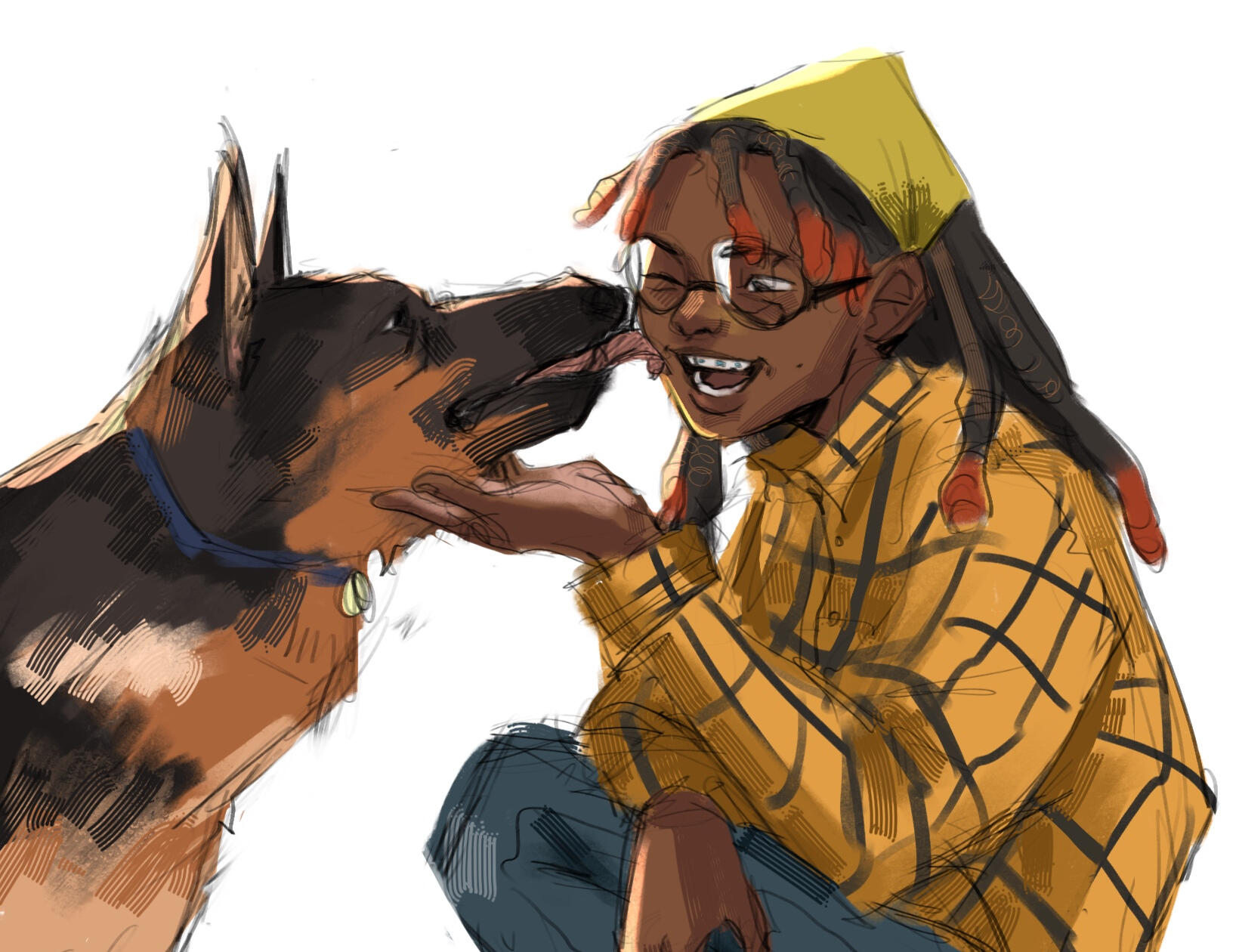
Pack is a puzzle-adventure game that takes place in a fictitious national park. Step into the pads of Reese, a rescue dog who gets lost on a hike with her owner, Esther. Working together, Reese and Esther must overcome the natural world around them, and their own respective traumas, to make it back to civilization.Platforms: PC
Engine: Unity
Responsibilities
As Lead Producer
Managed a 26-person remote team developing a 3D adventure game in Unity
Coordinated sprints and complex task scheduling, scheduled meetings and email updates through Google Calendar, and dramatically reduced blockers through organized project management systems in Plaky and Trello
Demonstrated excellent communication through proactive progress check-ins, comprehensive note-taking, and development of bi-weekly slide decks to consolidate project updates
Filled character rigging and set dressing needs to overcome pipeline gaps
Scheduling and Project Management
Moving into the spring semester, I changed our approach to align with an Agile mindset, adopting a biweekly sprint structure with succinct goals to deliver playable content. This switch accelerated development, which I've attributed to a few key factors:
Tightening Team Focus — placed stronger emphasis on achievable short term goals instead of nebulous long-term milestones
Adaptable Project Goals — future sprint targets could be shifted based on changes in scope, challenges faced, and/or expected progress
Stronger Visualization of Time — more granular time frames and less blank space on schedules led to a stronger sense of task urgency
Communication and Collaboration
Later in production, I introduced bi-weekly slide decks to coincide with the beginning of each sprint. These decks consolidated all key information for the sprint, including:
The overarching goal for the sprint.
Each team's responsibilities for reaching that goal.
An overview of the month's goals and key check-in points.
Meeting notes from discipline and lead meetings as the sprint progressed.
Slide decks were always posted and pinned on Discord for visibility's sake, and any external documents created or brought up during the meeting were linked within the deck itself. By keeping everything in one easy to access location, it was easy for team members to recall information crucial for their work and see what other teams were discussing.
Reflections
I've listed what I think are the key takeaways from Pack's development below. If you're a new producer looking for advice, I hope you'll find something to take into your next project.
Don't put off answering core design questions for a future lead to answer — solidify your ideas with the team you do have, and let new leads and team members meet you where you are.
Be involved with onboarding, especially with a lot of information to digest — sit down with new team members and walk them through all of your design goals, production tools, and documentation. Help them understand the game they're now a part of.
Hold people accountable, even if it ruffles some feathers — when there are delays, hammer out a game plan with the team member involved and stick to it. Always communicate proactively, and reach out when there's silence.
Emphasize features, not content — round out a concise and polished set of mechanics and let those inform the design of the game. Focus on providing developers with tools to use instead of intricate and disparate level plans.
Assign clear product owners, and discourage multitasking — don't spread developers too thin on a bunch of different tasks. Develop concentrically, and let developers take ownership of what they create to avoid overlap and confusion.
Always hold space for camaraderie and fun — a team that enjoys each others company is a team that can withstand anything, even a project that's struggling.
Boil Over
Co-creator of a dating simulator where you steal the hearts of your potion shop's patrons
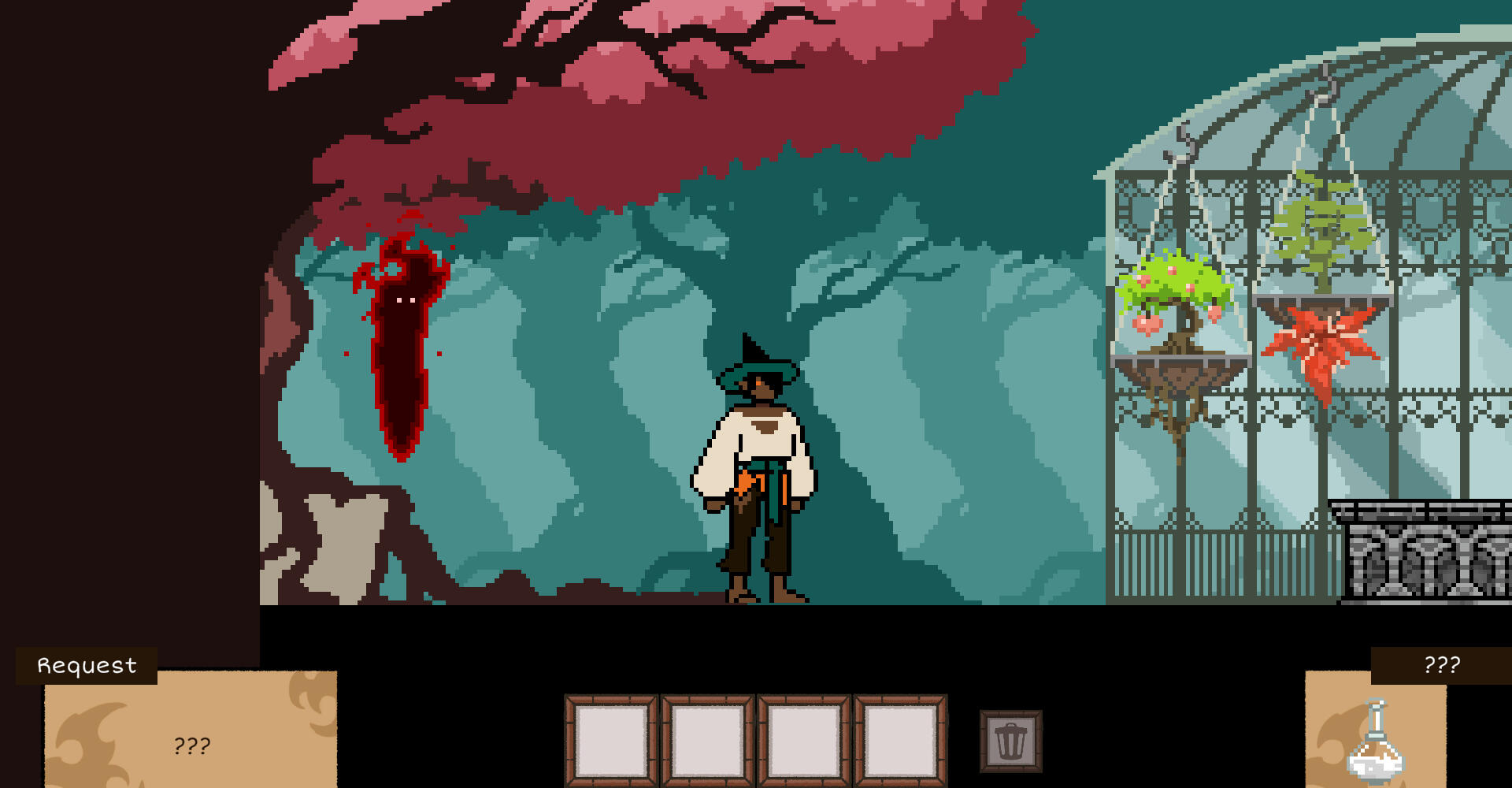
Boil Over is a potion shop dating simulator. Speak with dashing customers and try to solve their respective problems through your magic mixes. But you also have a deal with the devil to uphold, so the question remains… will you steal one of your customer’s hearts, or will they steal yours?The game was developed for an intermediate class at USC alongside sound designers from the Berklee College of Music.Platforms: PC
Engine: Unity
Responsibilities
As Co-Creator
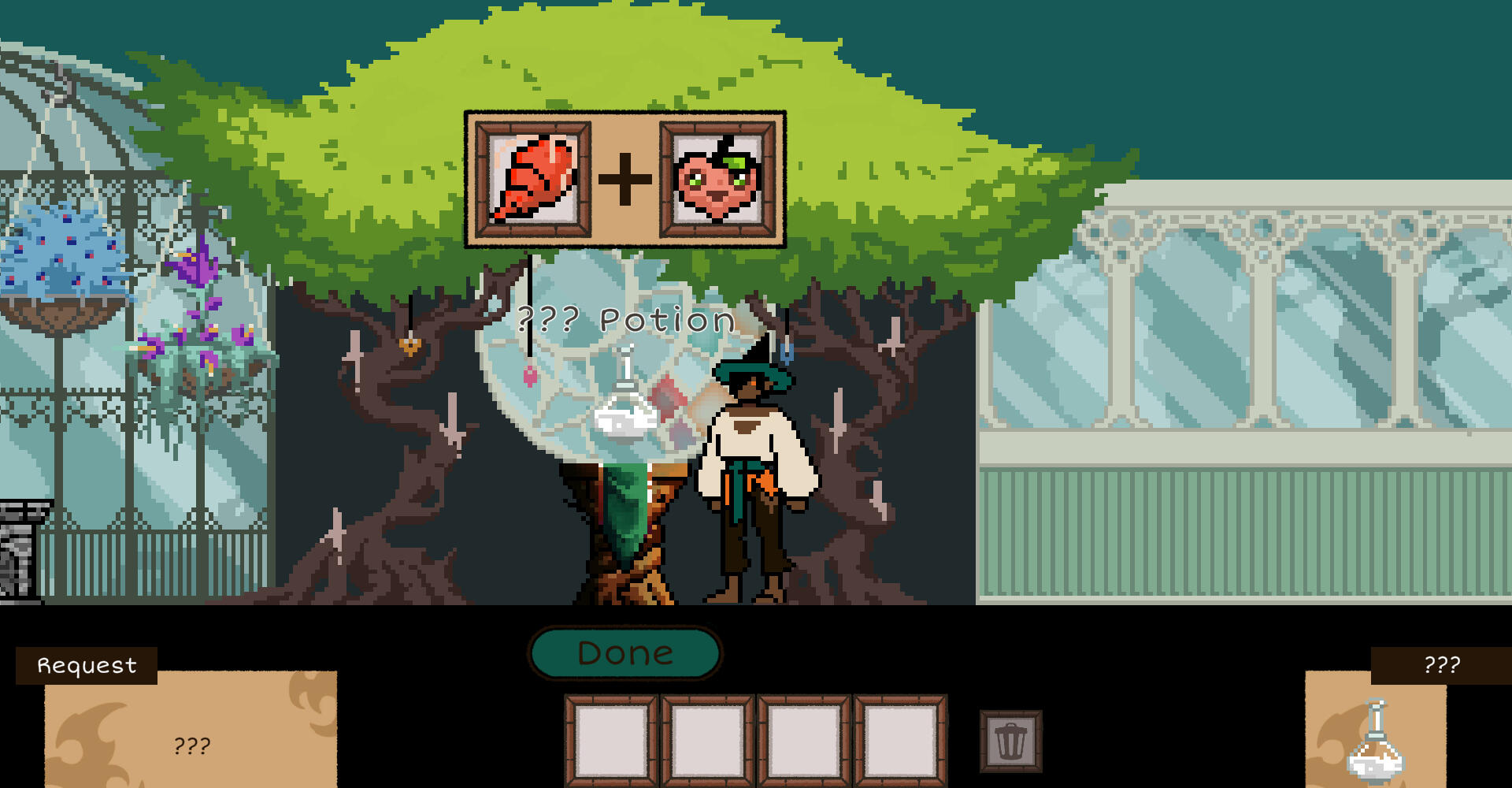
Designed, programmed, and implemented potion mixing system in C#, placing emphasis on inspector-facing features and streamlined scalability
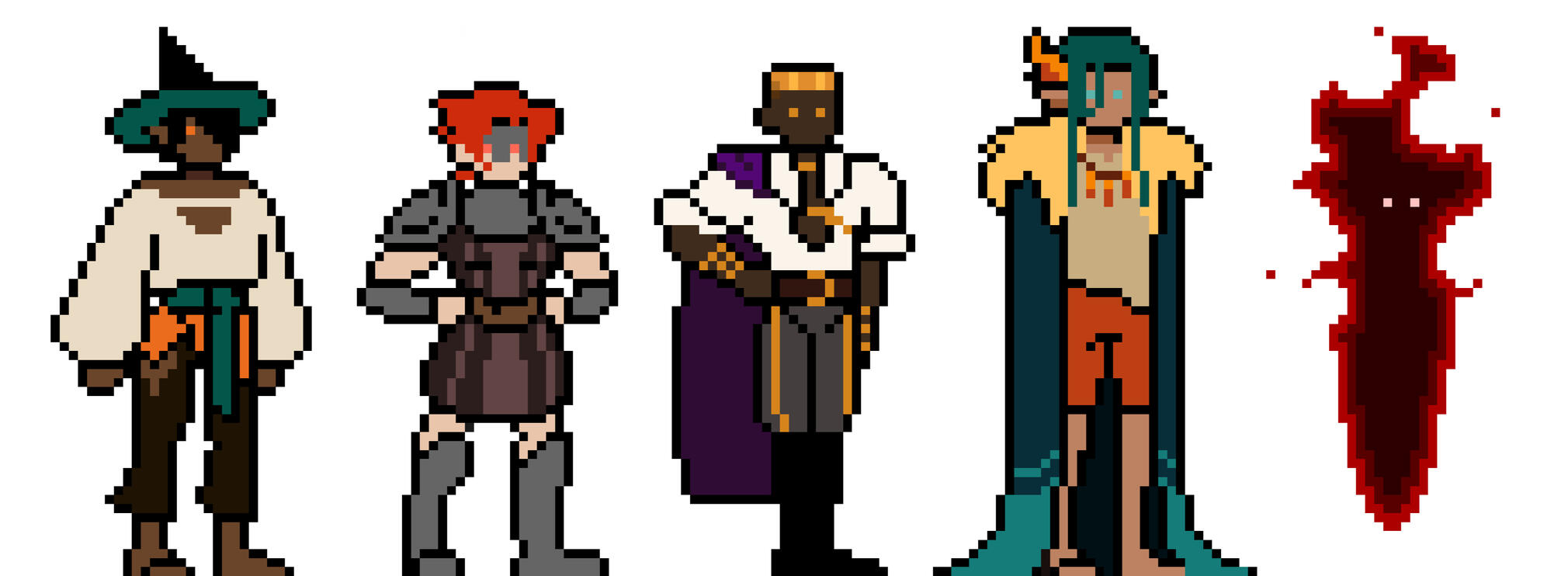
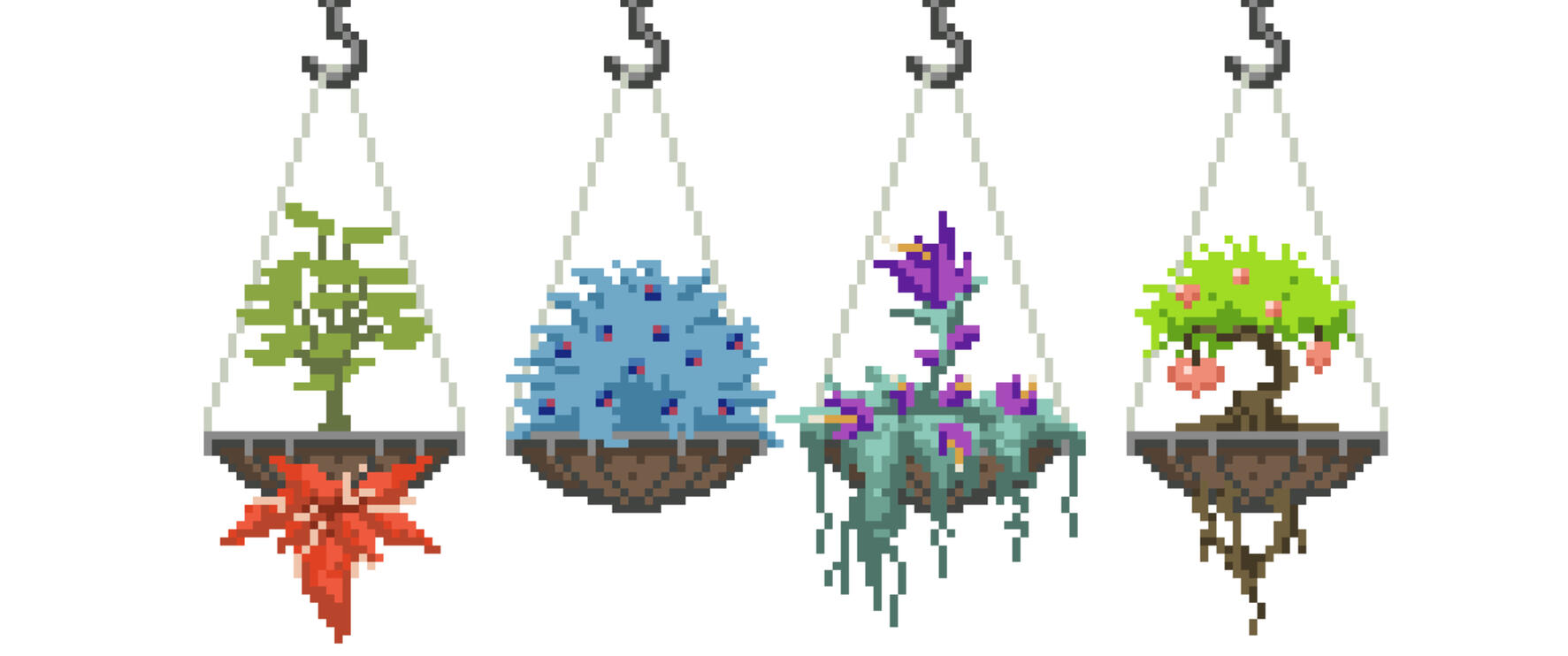
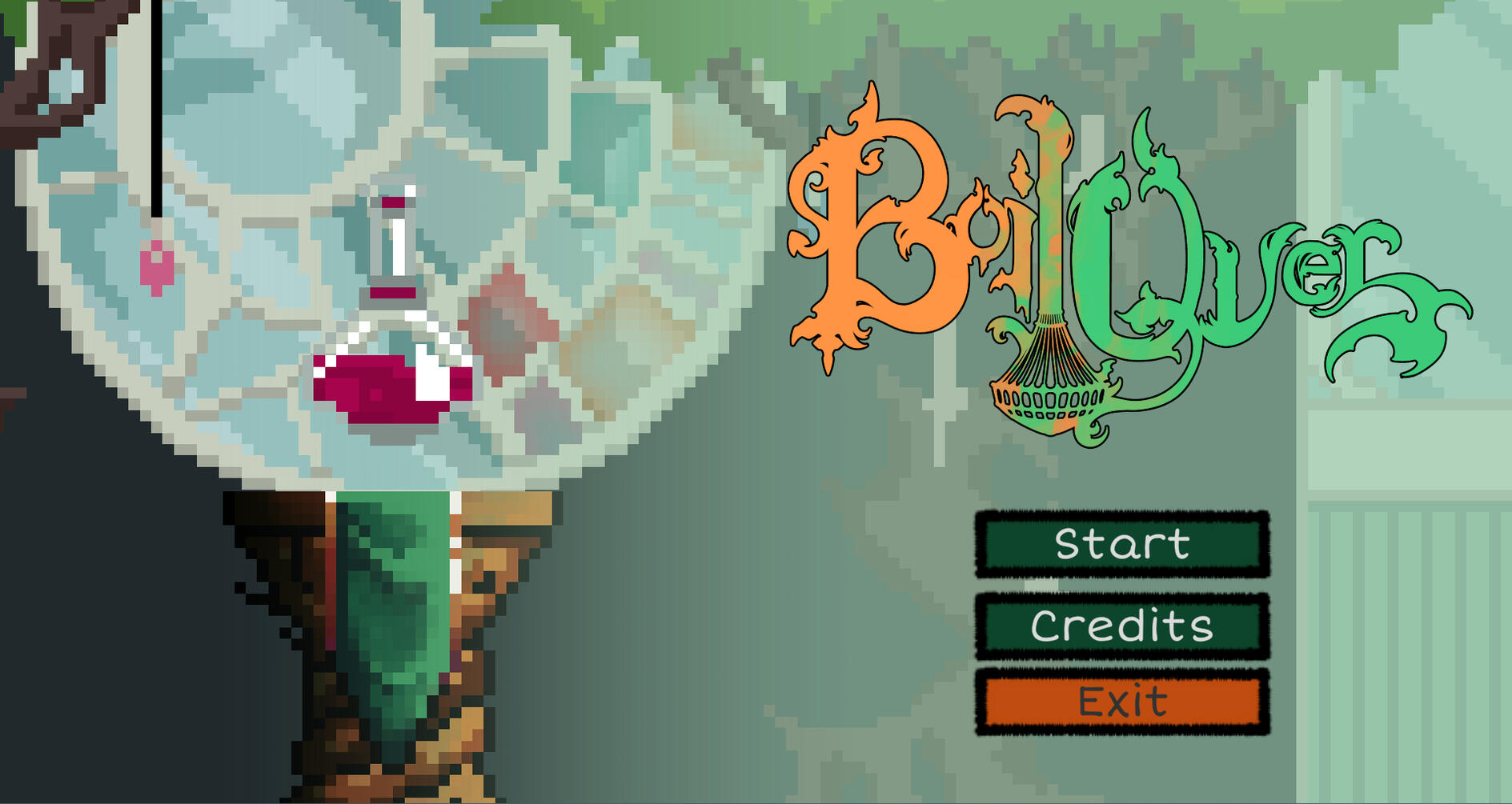
Created all visual assets, including character sprites and animations, environments, props, UI, and logo
Coordinated audio meetings with Berklee, clearly communicating SFX and music goals, assigning tasks, and managing asset implementation
Edited co-developers' dialogue in Yarnspinner for clarity, conciseness, and character consistency
Concept Art
Adrien
Code-named "Imp," our main protagonist had a more intensive design process than the rest of the cast, starting with traditional silhouette explorations. The first design featured a more playful quality, while the second was more down to earth and rustic.Emphasis was given on a strong silhouette and color palette that would translate well to pixelated sprites.
Pixel Art

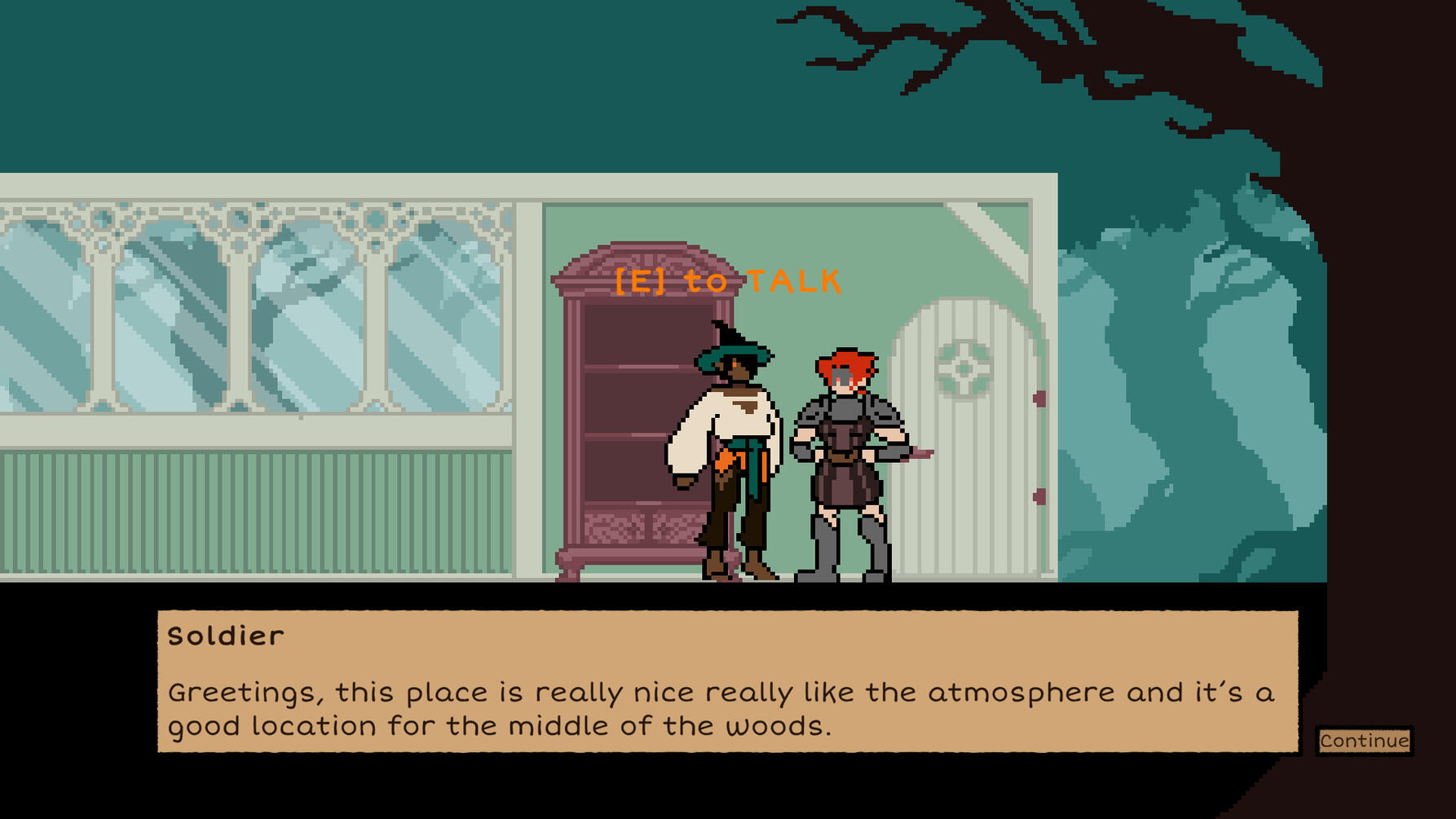
Screenshots
Equinox
Designed main protagonist, sprite animations, and cutscene illustrations for a procedurally-generated platformer
Equinox is a 2D-platformer about a moon spirit named Tsuki who travels the world reclaiming the shattered pieces of the moon. Hop from one platform to another and confront the stellar spirits who have claimed these lunar shards for themselves.The game was developed by Open Alpha, a game development club at USC that releases a game in “open alpha” every semester.Platforms: PC
Engine: Unity
Responsibilities
As Concept Artist
Designed main character in Adobe Photoshop, conveying personality and backstory through special poses
Animated main character's walk, run, and jump cycles, conveying dynamic movement and a clear silhouette
Illustrated two pieces of art for finale cutscene, emphasizing narrative impact
Conducted playtests of procedurally-generated levels, collecting crucial feedback for designers and engineers
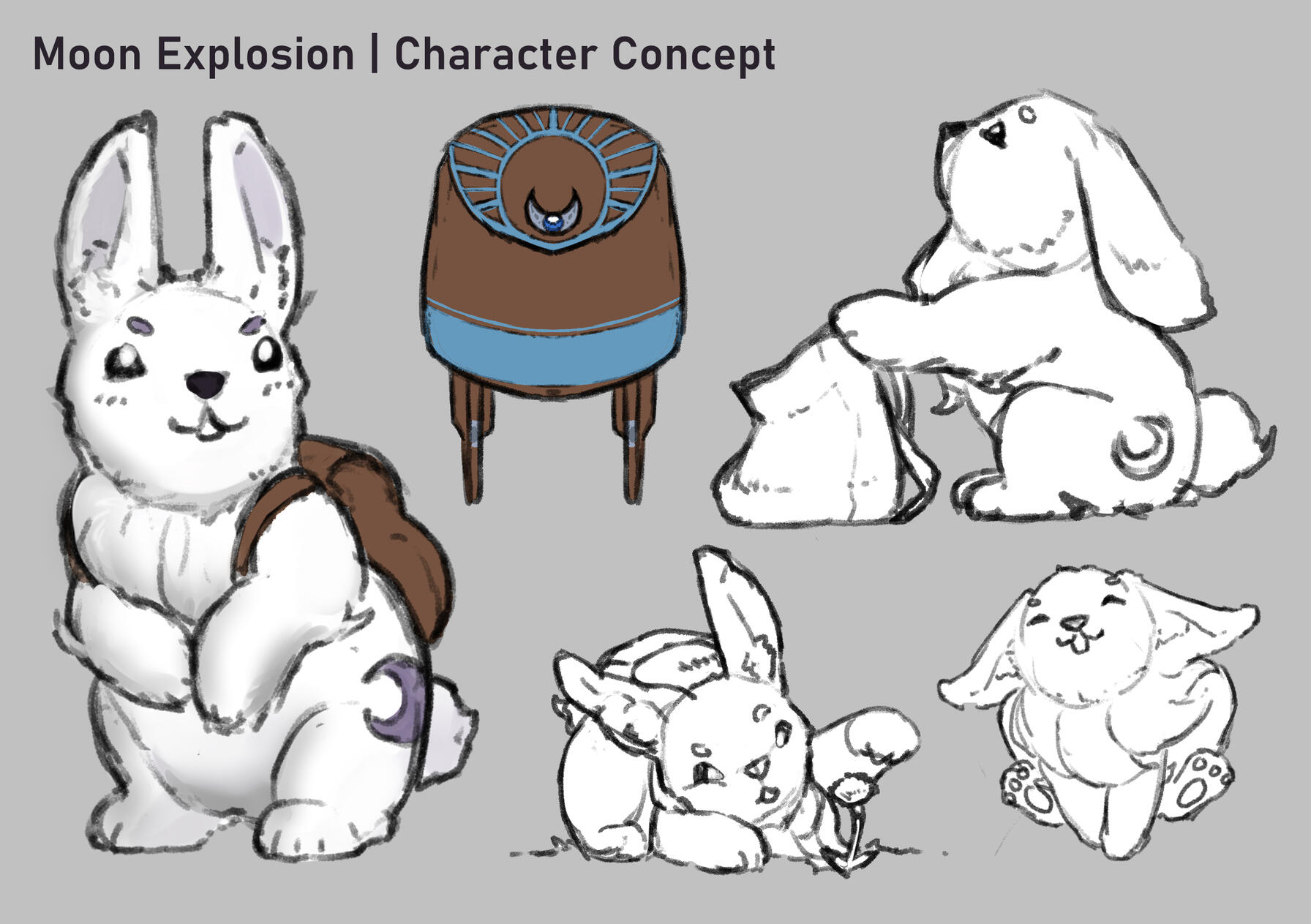
Tsuki, the Main Protagonist
Concept Art
Rabbits have a special place in lunar myths, especially in eastern folklore. Tsuki isn't a rabbit though. She's a bunny. Because cute.Since the game was going to be entirely cel-shaded, Tsuki had to have a very strong but simple silhouette. The white of her fur also helps her stand out against the usually dark backgrounds during gameplay.Sadly the intricate designs on her bag and thigh never made it into the final game, but it still communicates a strong sense of character and personality.
Sprite Animation
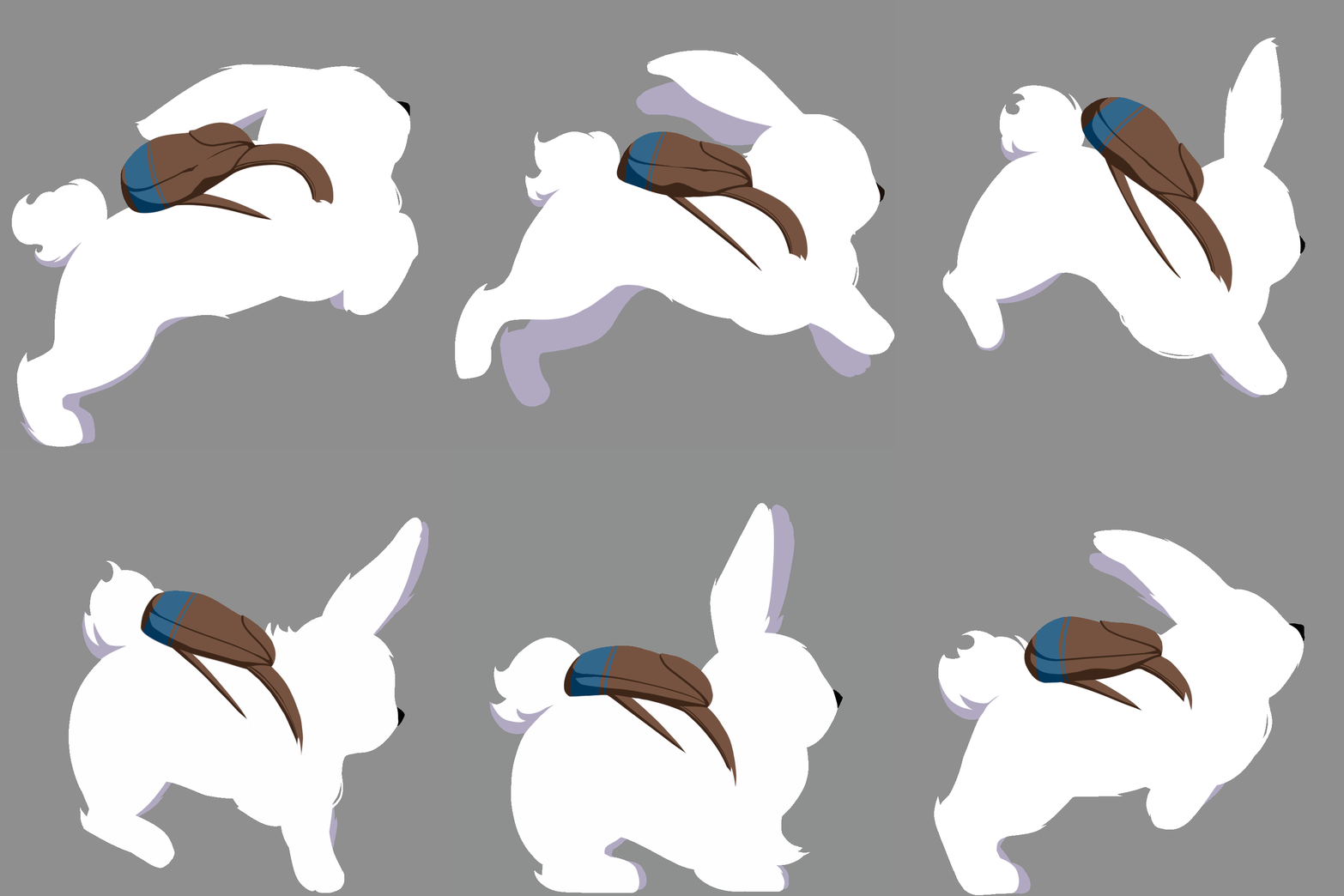
For my first foray into 2D animation, it's not half bad. Using videos of real bunnies and rabbits as reference, I animated Tsuki's idle, run, and jump cycles.Each frame was hand drawn in a cel-shaded style, preserving the character's identity while keeping her form simple enough to read on the screen.
Cutscene illustrations
I also illustrated the game's final images of Tsuki restoring the moon. The cutscene is a long pan from Tsuki in a forgotten castle, returning the shattered moon pieces to the sky. In a flash, the moon lights up the sky once more, and the camera pans back down to it's hero below.


Little Necromancer, Special Poses

Devil Kid, Personal Work

Celestial Familiar, Turnaround

Rosette from The Glitch Witch

NPC Gallery from The Glitch Witch

Progenitor God, Personal Work

Chaser from Bloompunk

Spawner from Bloompunk

Tsuki from Equinox


Eurydice, Original Character

A Gift of Light, Bloompunk

Sovereign of Genesis, Original Work


Aria, Early Explorations

San'doria, FFXI Fan Work

NPC Thumbnails, The Glitch Witch

Rosette Thumbnails, The Glitch Witch

Final Memory Storyboard, Bloompunk

Cut Melee Enemy Thumbnails, Bloompunk

Chaser Thumbnails, Bloompunk


Scripts and Screenplays

Cutscene Excerpts from Cards of Heart

Opening Scene of Sovereign


Documentation and Lore

Character Bible of Cards of Heart

Story Arc of Cards of Heart

